


Want to learn more?
Whether you’re a player, a parent, a coach, a teacher, a researcher or someone who just wants to understand the field better, feel free to reach out. We love these conversations!

Esport psychology is a branch of sport psychology focused on helping players, coaches, teams and organizations perform better and feel better, in the game and beyond it.
It applies psychological knowledge and methods to the mental aspects of esports: concentration, confidence, motivation, communication, stress management, resilience and well-being. These aren’t soft extras. They’re often the difference between a player who peaks and one who burns out.
Across the world, esports organizations, national teams and associations are increasingly working with sport psychology consultants to support their players and staff. The mental side of performance is no longer an afterthought. It’s part of what it means to compete seriously.
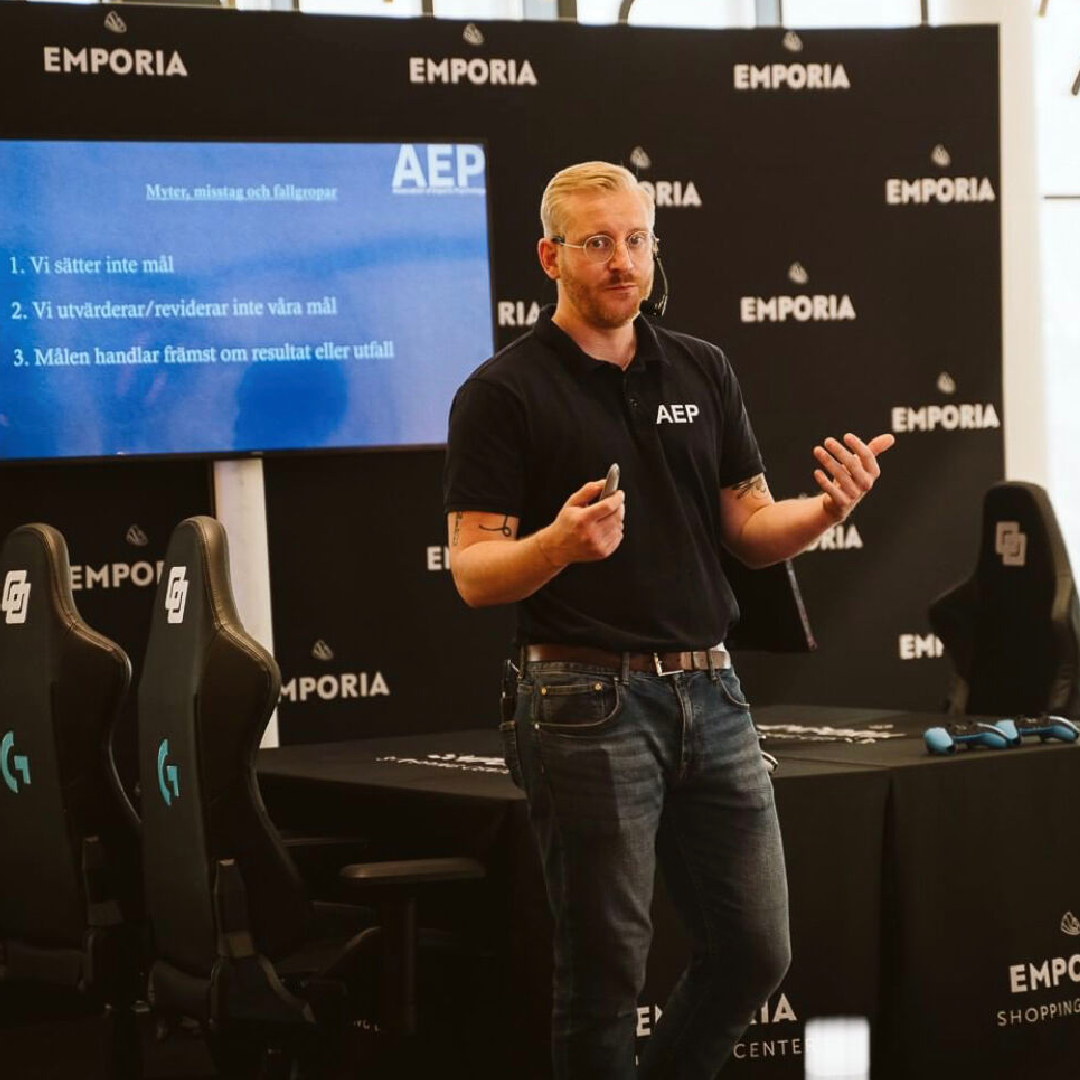
We work with you on focus training, match and training routines, and the mental habits that help you stay sharp when it counts.
We help you understand and manage stress, build self-belief and develop emotional control that holds up under pressure.
Whether you’re coming back from an injury, a losing streak or a difficult period, we support your return with practical tools and a clear plan.
We build habits around physical activity, sleep, nutrition and social relationships, because everything outside the game affects everything inside it.
We help you develop shared goals, values, attitudes and beliefs that give your team a common direction and sense of purpose.
We work with the dynamics between players and staff, improving collaboration, trust and how the team functions under both pressure and success.
We help your team develop the tools to cope with adversity, handle external pressure and keep perspective when things don’t go to plan.
Losing, slumping and struggling are part of competing. We help teams process setbacks constructively and come back stronger without losing confidence.
We help you develop your communication style, reflect on your leadership philosophy and grow as the person your team looks to.
We work with you on motivational environments, effective practice structures and pre-game routines that bring out the best in your players.
We help you and your team prepare mentally for competition, so that when the moment comes, especially at offline events and LAN stages, everyone feels ready, focused and able to perform.
We support the growth of young and developing players, helping them build a healthy relationship with competition, failure and long-term improvement.
The mental side of esports shows up everywhere: in how you handle a losing streak, how a team communicates under pressure, how a coach creates an environment where players actually want to improve, or how a young player balances their gaming ambition with the rest of their life.
Esport psychology makes a difference wherever there are people who care about performing well and feeling good doing it. That includes the elite level, but also the school team, the passionate solo player, the parent trying to understand their child’s world and the organization building something they want to last.
If you recognize yourself or someone you care about in any of that, you’re in the right place!
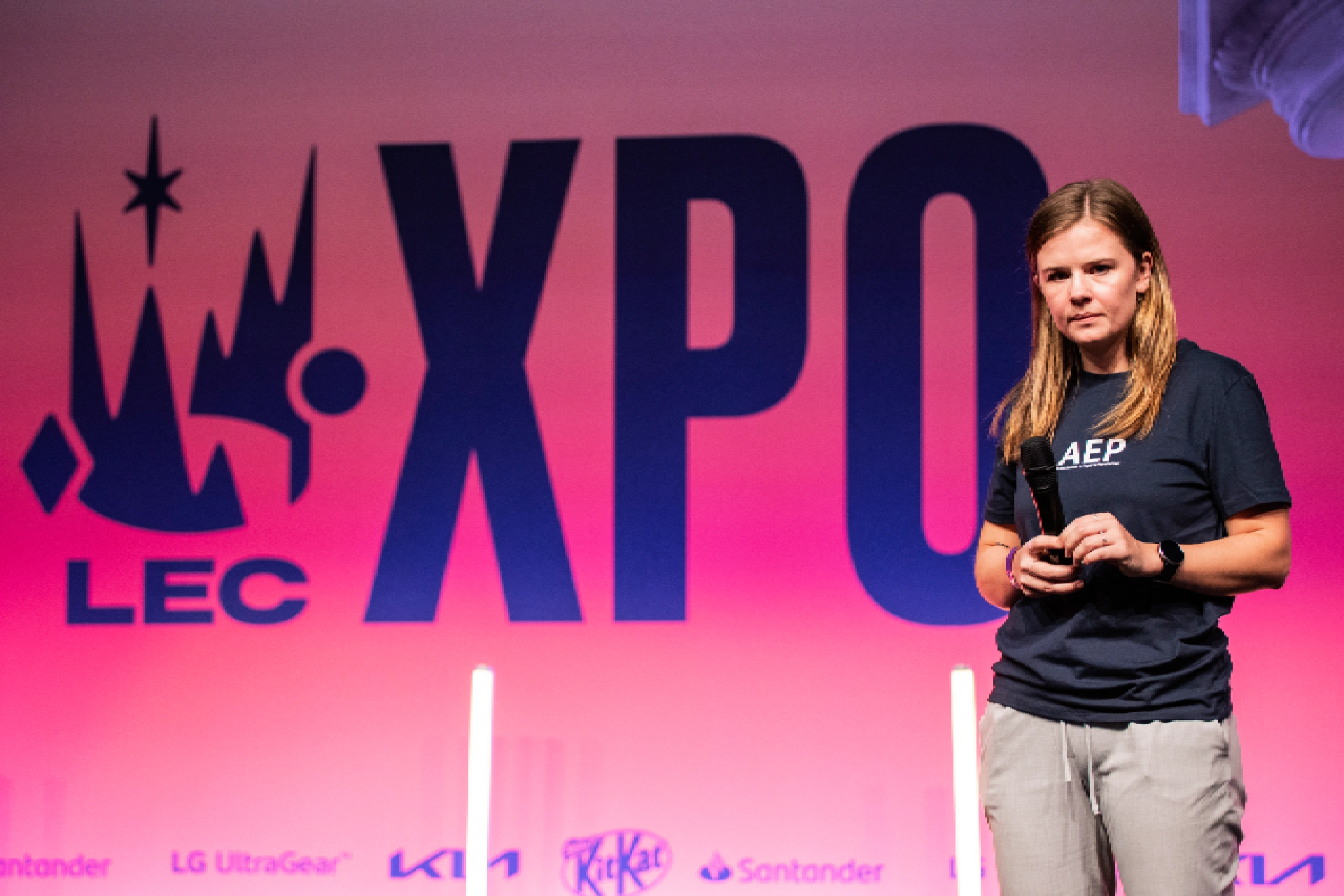

Sport psychology is a diverse field with many titles, such as mental trainer, mental coach, performance coach and health coach. Some titles are regulated in certain countries, but not in others. In Sweden, for example, anyone may use one of these titles.
That’s why we recommend checking a person’s education, regardless of the title. The Swedish Sports Confederation suggests that a sport psychology consultant should have a bachelor’s degree in sport psychology, including practical training under supervision.
All AEP members meet and exceed these criteria, holding at minimum a bachelor’s degree in sport and performance psychology, most of us a master’s. This ensures quality and ethics in our services. Lack of training can result in unethical or ineffective practices, which can hinder performance and damage mental health. That’s why it’s important to choose a qualified and experienced sport psychology consultant who can help you reach your full potential and enjoy your esports journey.
Gaming is a source of joy, challenge, development and community for most people. For some, though, it can become difficult to manage, and certain issues around gaming may need clinical support rather than sport psychology. These include depression, anxiety, eating disorders and social phobia.
As sport psychology consultants, our work is focused on performance, well-being and growth. We support gamers before challenges become crises and help people build healthier habits and mindsets over time. We are not clinical psychologists, and when clinical support is needed, we will always say so and help you find the right path.
If you’re based in Skåne, Sweden, and need clinical support around gaming, we recommend reaching out to the Gaming Project at Maria Malmö, where specialists can provide professional help.
For anything else, whether it’s questions, curiosity or uncertainty about where to start, feel free to reach out. There’s no wrong reason to get in touch!

Want to learn more?
Whether you’re a player, a parent, a coach, a teacher, a researcher or someone who just wants to understand the field better, feel free to reach out. We love these conversations!